
Photo: Newtown grafitti, CC BY 2.0, Wikimedia Commons
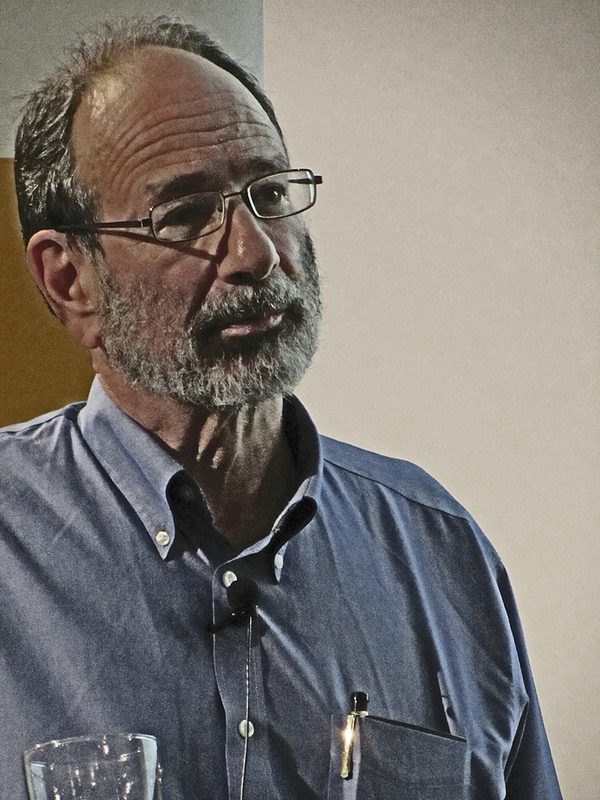
Alvin E. Roth
Stanford University
- Research field
- Market design, matching markets, and experimental economics
Alvin Roth, with Tayfun Sönmez and M. Utku Ünver, showed in 2004 that the kidneys of willing but incompatible donors can be allocated by an extension of the top trading cycles procedure to cycles and chains that end at the waiting list. The mechanism is Pareto efficient and strategy-proof for the patients, and the authors' simulations with American blood type data predicted that the share of patients with a living donor who receive a transplant would rise from about 55 per cent without exchange to 88 to 89.5 per cent with cycles and chains. The New England Program for Kidney Exchange was founded in 2004 on this design, and the unit's last section builds the compatibility graph on which such exchanges run.
In the masterclass
The spotlight follows the section on kidney exchange, after the worked example with five pairs and a non-directed donor.
The research is presented in Unit 15: Stable Matching and Kidney Exchange, in a research spotlight box that explains the result at the level of the unit and links it to what you have just learned.