
Research presented in the program
Established game theory is the foundation. The research spotlights show what is being built on it now: each unit presents the published work of a leading game theorist and links to the original paper.
The scientists named here are not contributors to the Game Theory Masterclass, are not affiliated with it, and have not endorsed it. The program presents and explains their published research, with references to the original papers.
Research spotlights
Drew Fudenberg
Game theory, learning in games, and the prediction of initial play
Scott Barrett
The economics of international cooperation, treaties, and global public goods
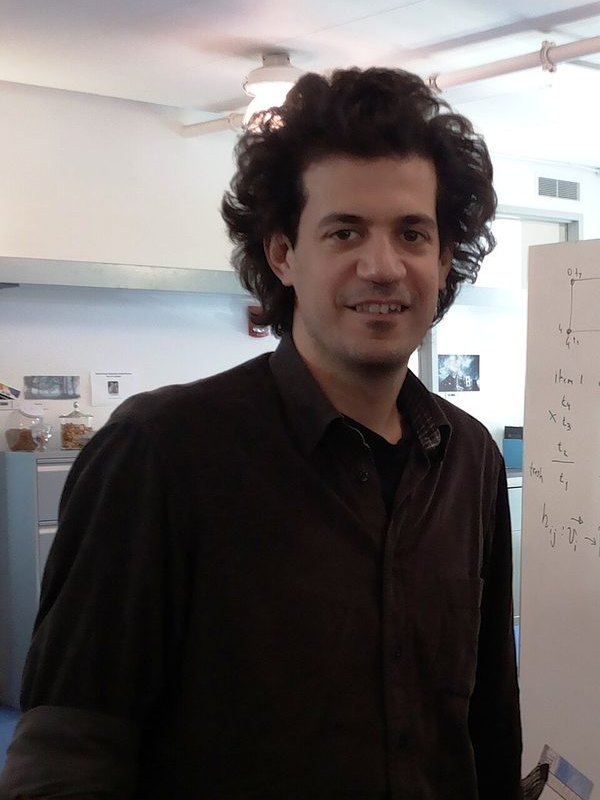
Constantinos Daskalakis
Algorithmic game theory, the computational complexity of equilibria
Ignacio Palacios-Huerta
Game theory tested on professional sport, behavioural and experimental economics
John A. List
Field experiments in economics; whether expert chess players play backward induction in the centipede game
Pedro Dal Bó
Experimental and theoretical work on cooperation in repeated games
Haris Aziz
Algorithmic decision theory, fair division, and computational social choice
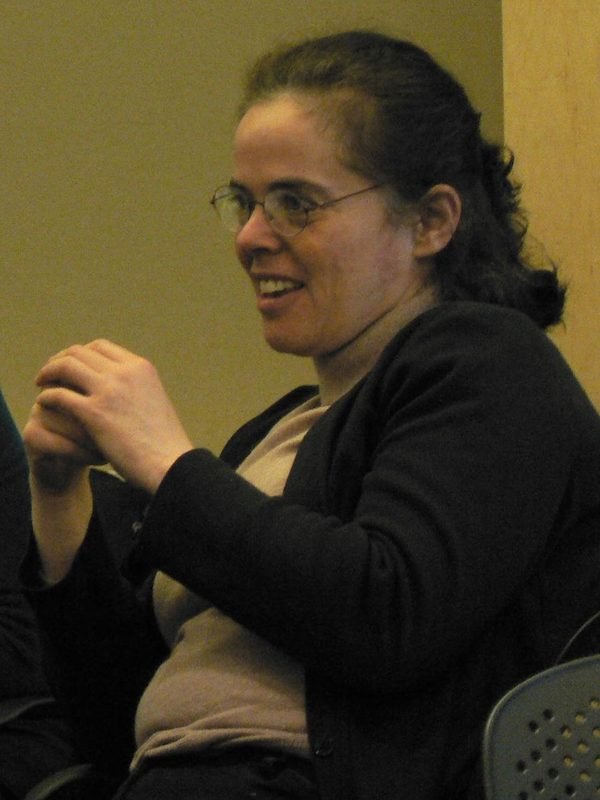
Éva Tardos
Algorithmic game theory, network routing, and the price of anarchy
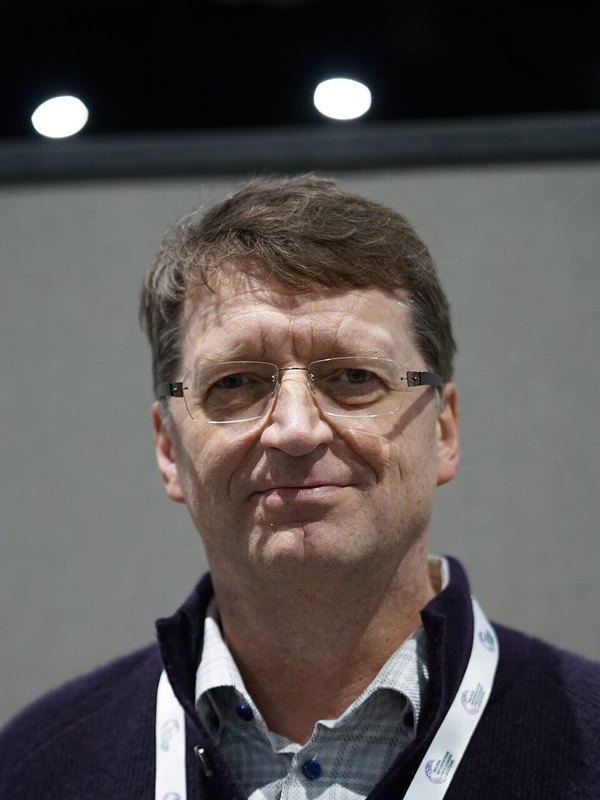
Tuomas Sandholm
How a program finds a near-equilibrium strategy for a game with more than 10 to the power of 160 decision points, and whether it beats the best humans

A. Michael Spence
The economics of signalling and of the informational structure of markets
Arne Traulsen
Evolutionary game theory and the dynamics of cooperation, including how people update strategies when they copy each other
Su-In Lee
Explainable machine learning: whether the Shapley value can say which inputs made a model decide as it did

Susan Athey
Empirical market design, auctions, and the economics of technology
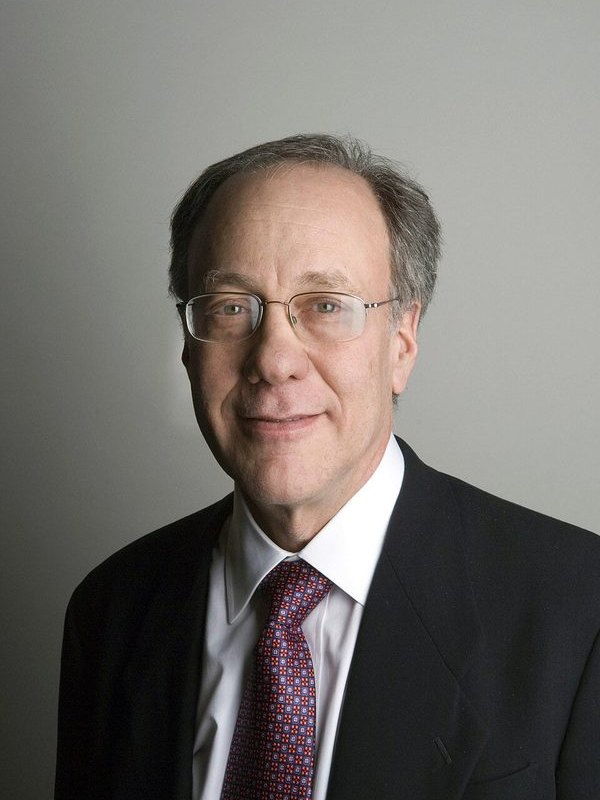
Roger B. Myerson
Mechanism design, the revelation principle, and the theory of incentives in institutions
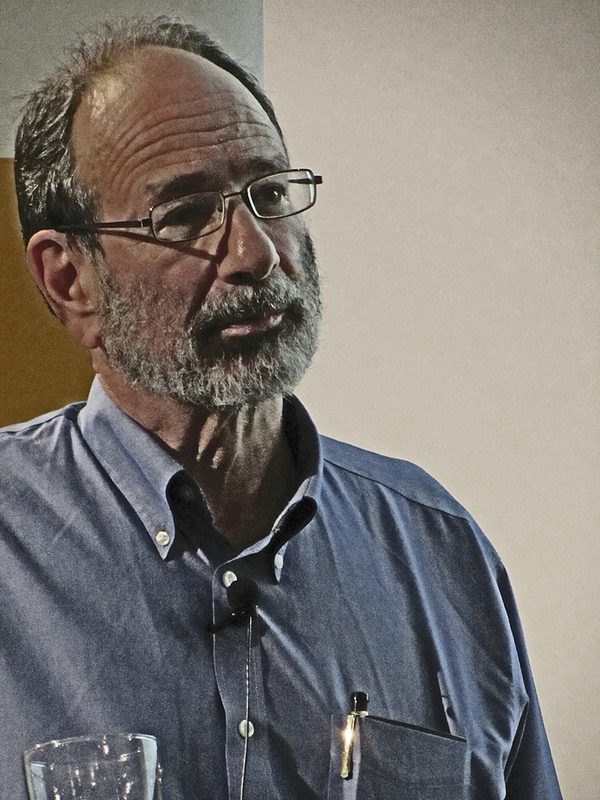
Alvin E. Roth
Market design, matching markets, and experimental economics
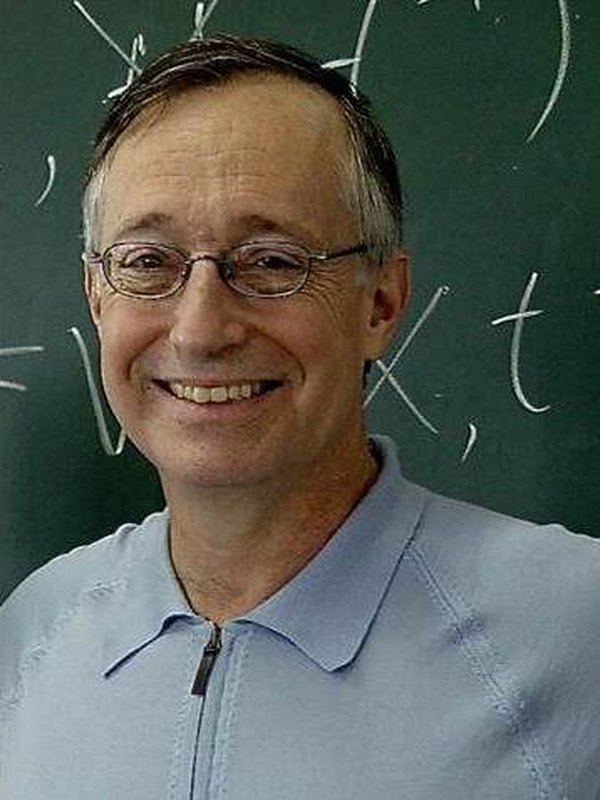
Paul Milgrom
Auction theory and market design
Michael Ostrovsky
Game theory, market design, and internet advertising auctions
Science is something people do
A formula can look as if it had always been there. The spotlights show that the questions are open, that the methods of each unit are in use today, and who is using them. For every unit you also receive a reading list with further papers that are free to read.