
Game Theory Masterclass Blog
Explanations, background, and advice for curious students.
Latest articles

Where game theorists work
Spectrum auctions, advertising platforms, competition authorities, hospitals, ecology departments, and poker-playing programs all employ people who learned game theory. What each of them asks of a student, and which degree gets you there.

How to prepare for the game theory questions of the economics olympiad
The International Economics Olympiad lists four game theory items in its syllabus. Here is what each one asks, which classic games to practise with, where the past papers are, and how the mathematical olympiads differ.

The auction that moved television to make room for mobile phones
Between March 2016 and April 2017 the United States bought television channels from broadcasters and sold the freed airwaves to mobile operators in a single auction. Here is how a descending clock, four stages, and a satisfiability solver did it.
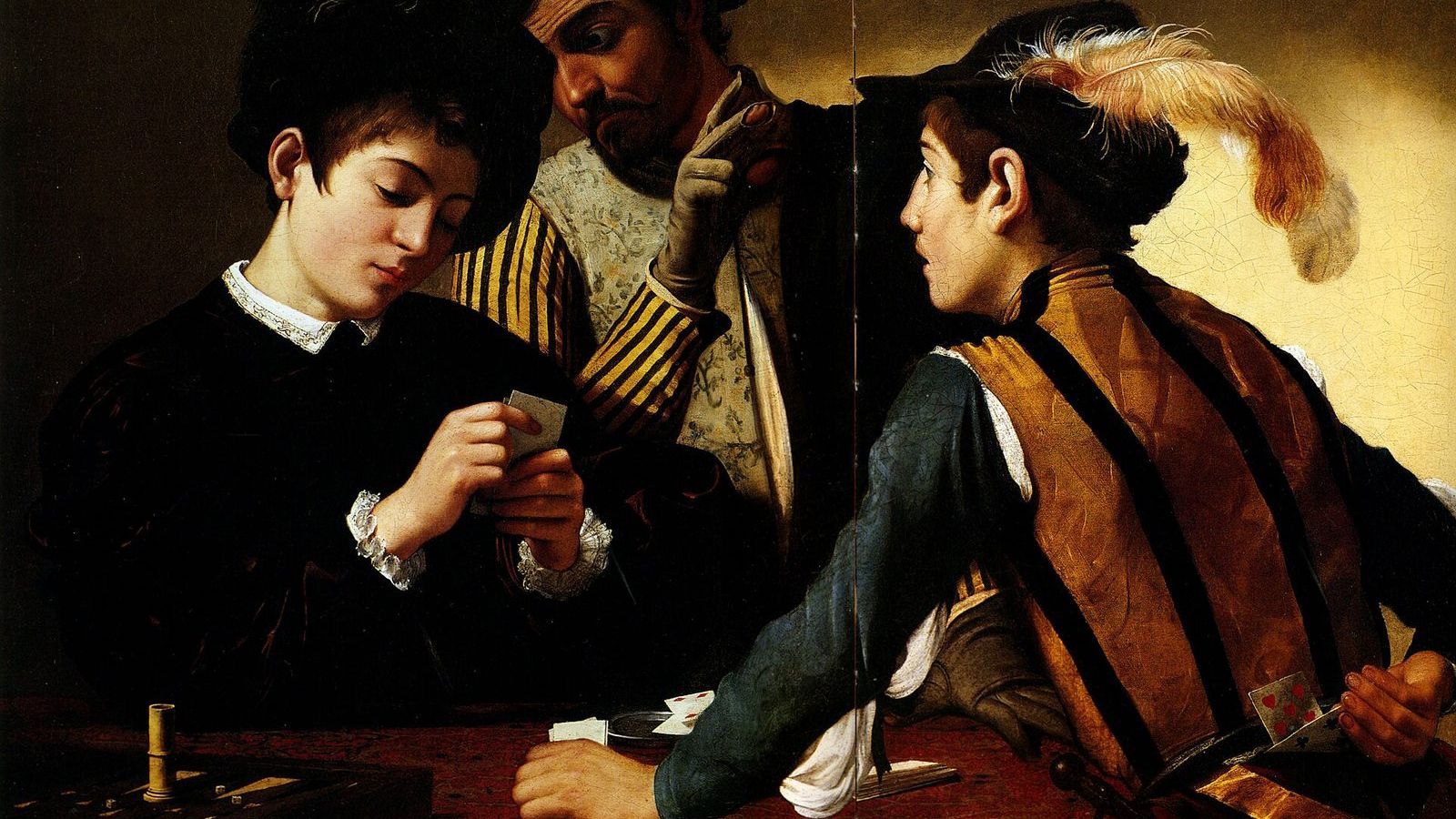
The computer that bluffed
In January 2017 a program called Libratus beat four poker professionals over 120,000 hands. It bluffed, and it bluffed because the equilibrium of the game requires it. A three-card version of poker shows why.
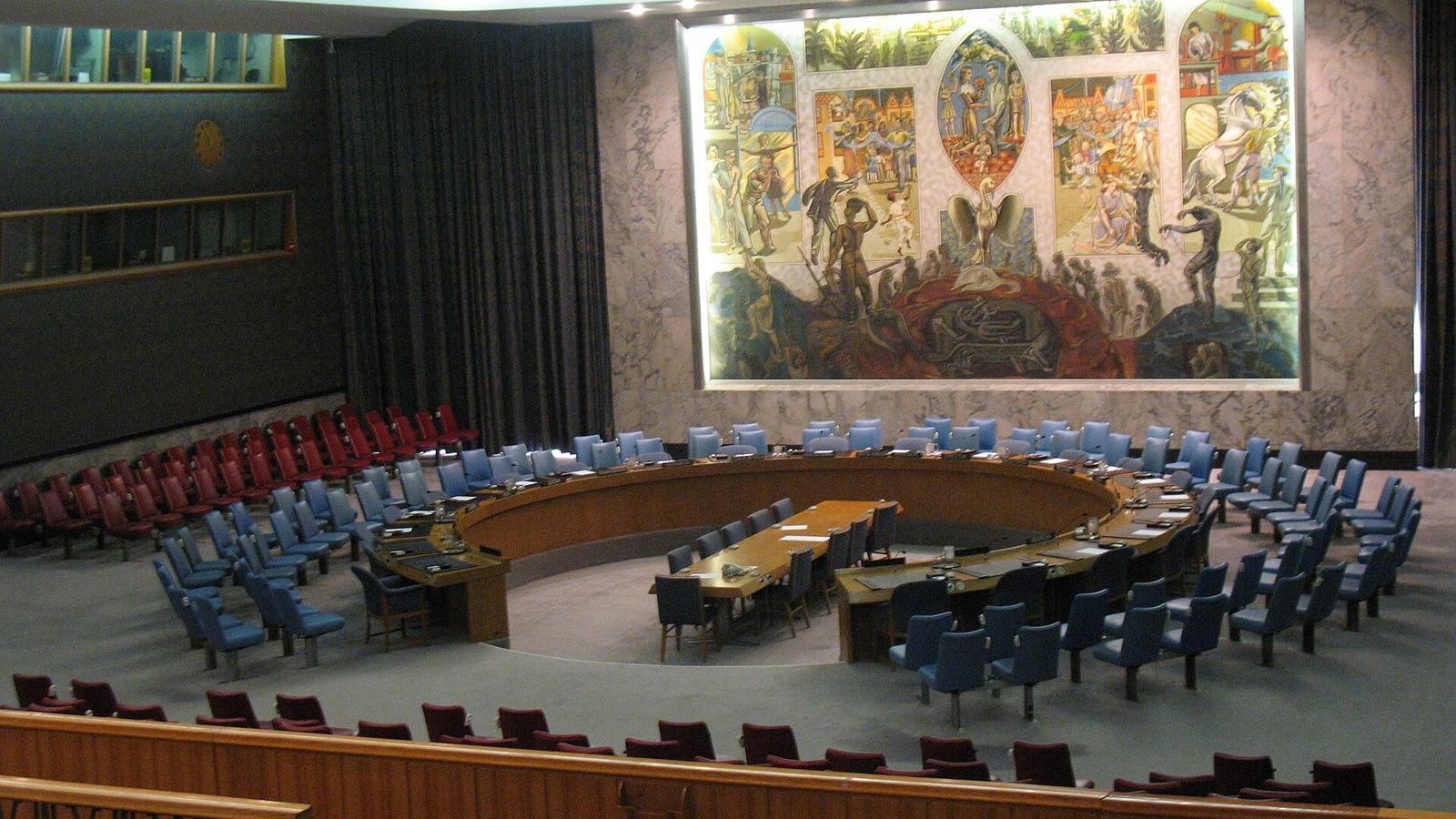
Why your vote can be worth more than your weight
A council with votes of 50, 49, and 1 gives all three members exactly the same power. The index that shows this was worked out for a county board in 1965 and is still used to design voting rules.

How a search engine sells the top of the page
Every search result page with advertisements on it is the outcome of an auction that ran in milliseconds. The rules were set in 2002, and they look like Vickrey's auction without being one.
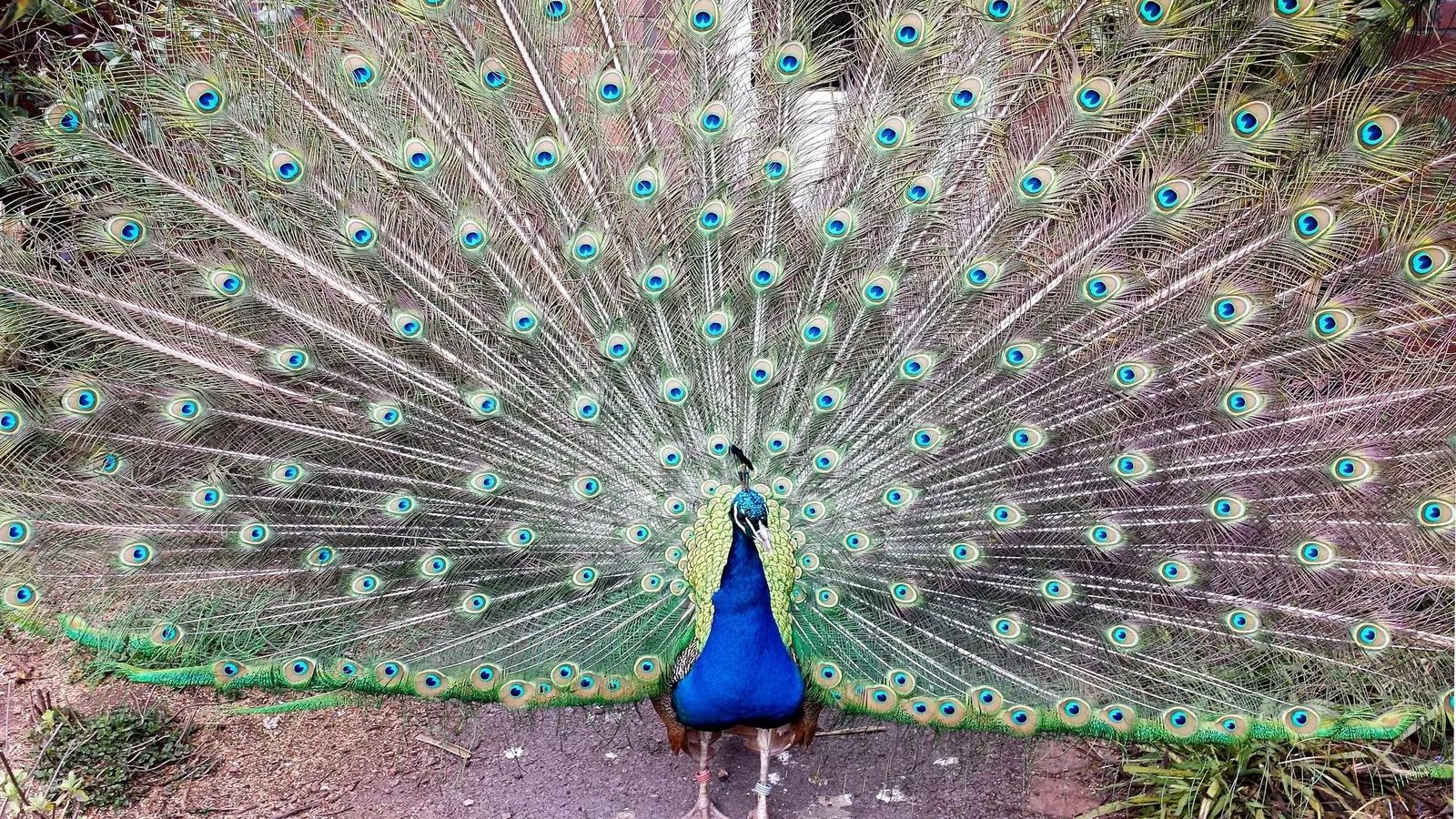
Why a costly signal is believable
A degree, a warranty, and a peacock's train have one thing in common: each is expensive, and each is informative because it is expensive. Michael Spence's model of 1973 explains when that works and when it does not.

How to split the rent so that nobody envies a room
Three flatmates, three rooms of different sizes, one rent. There is always a way to assign the rooms and prices so that each person prefers their own room at its price. Here is why, and how to find it.
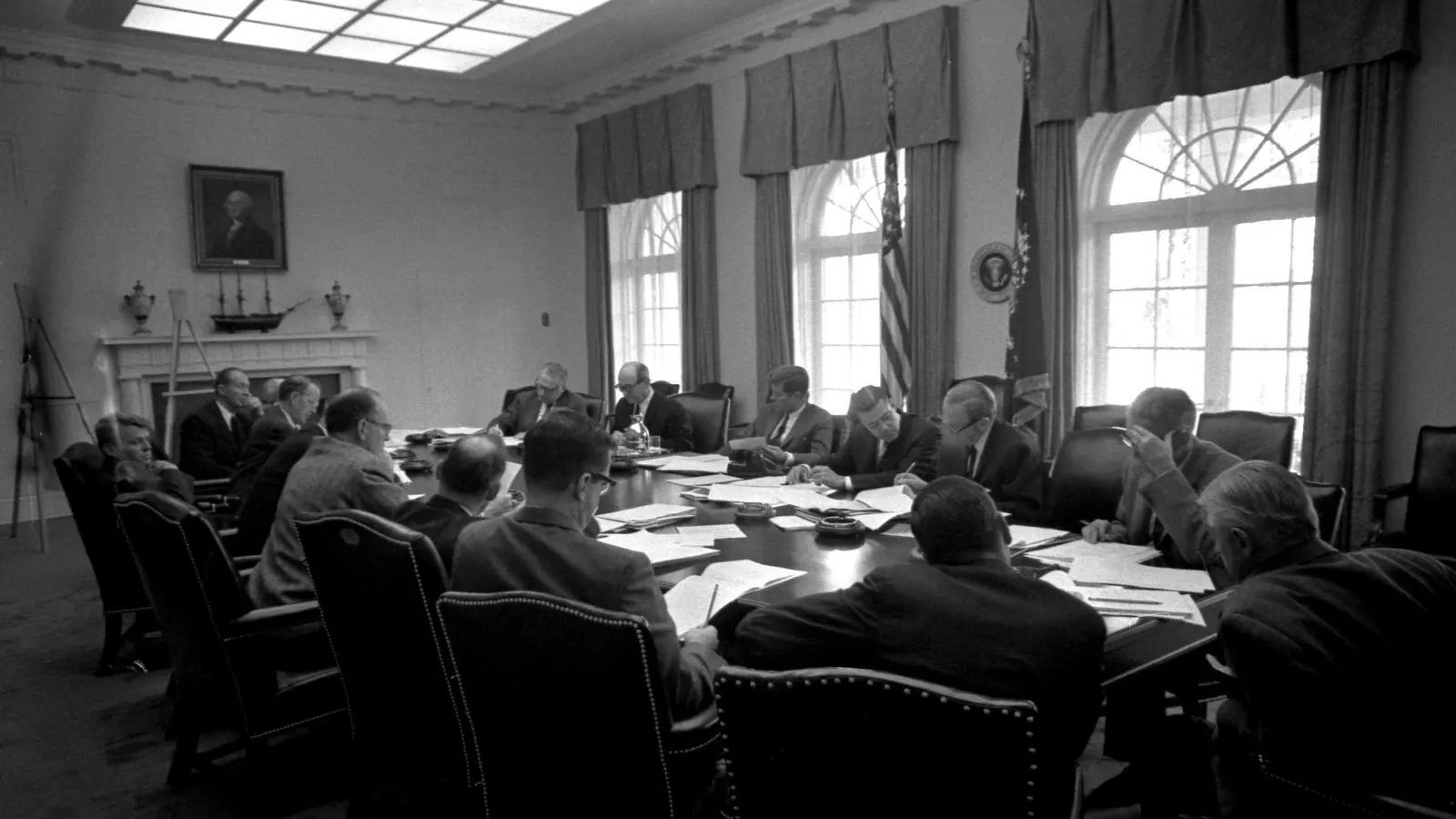
What the Cuban missile crisis taught game theorists
Thirteen days in October 1962 became the standard example of commitment, credible threats, and the threat that leaves something to chance. Here is what Thomas Schelling made of them and where the game tree stops fitting.