
Strategy in life
Game theory in everyday decisions: splitting the rent so that nobody envies a room, why a costly signal is believable, and when a threat is credible. Why a computer bluffs, and why bluffing is equilibrium play, belongs here as well.
Articles
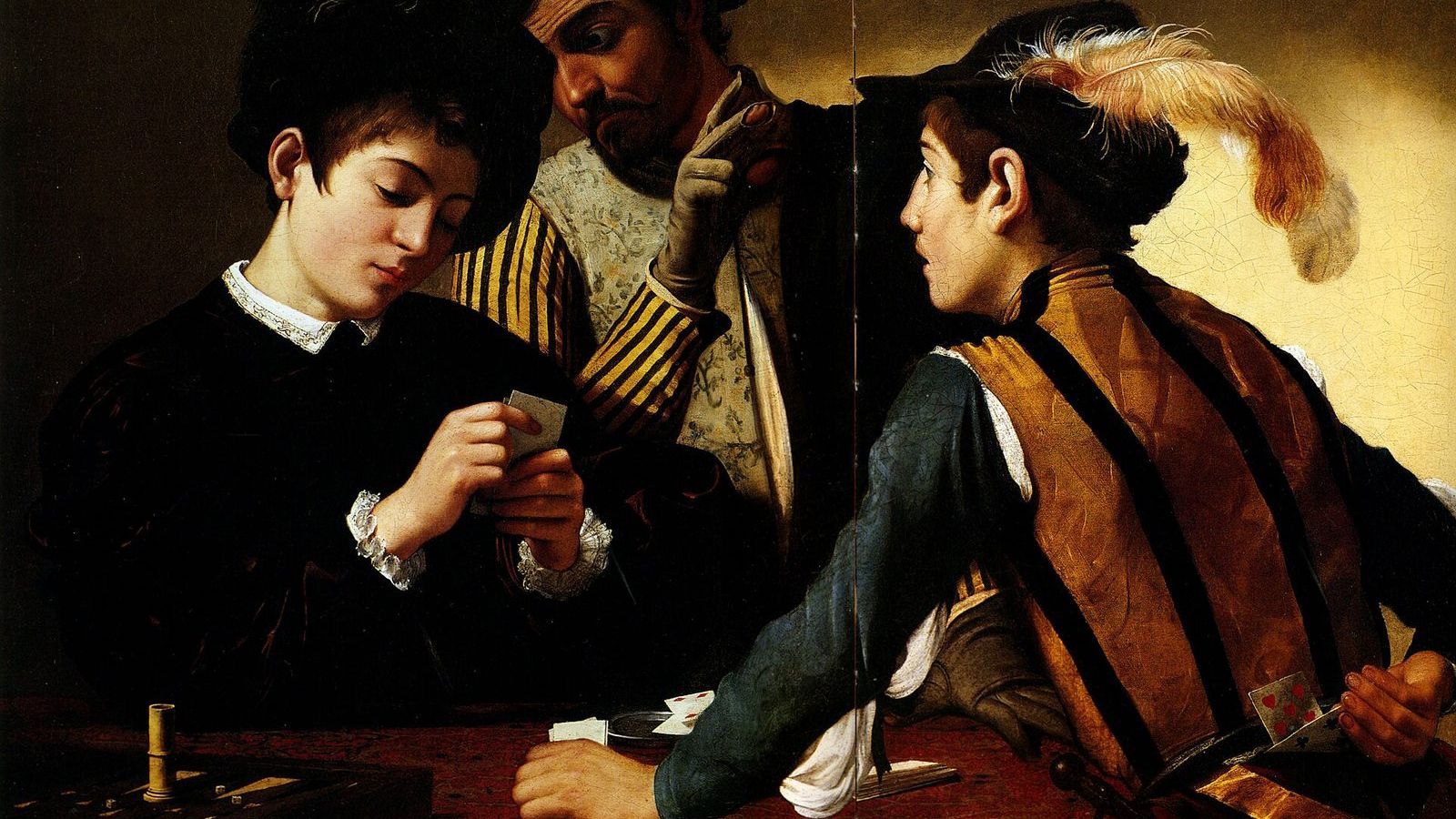
The computer that bluffed
In January 2017 a program called Libratus beat four poker professionals over 120,000 hands. It bluffed, and it bluffed because the equilibrium of the game requires it. A three-card version of poker shows why.

Why a costly signal is believable
A degree, a warranty, and a peacock's train have one thing in common: each is expensive, and each is informative because it is expensive. Michael Spence's model of 1973 explains when that works and when it does not.

How to split the rent so that nobody envies a room
Three flatmates, three rooms of different sizes, one rent. There is always a way to assign the rooms and prices so that each person prefers their own room at its price. Here is why, and how to find it.
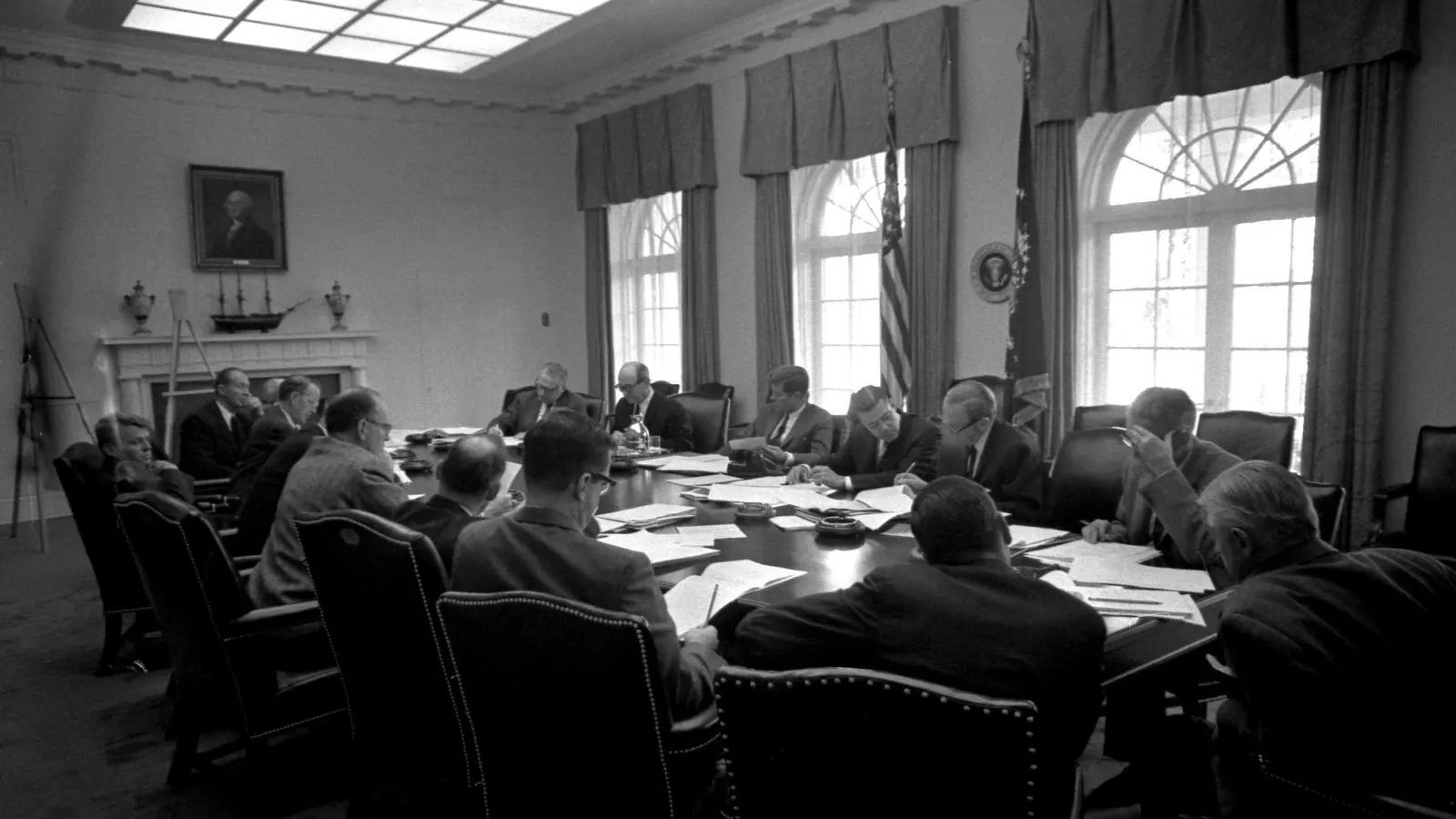
What the Cuban missile crisis taught game theorists
Thirteen days in October 1962 became the standard example of commitment, credible threats, and the threat that leaves something to chance. Here is what Thomas Schelling made of them and where the game tree stops fitting.
In the masterclass
Game Trees and Backward Induction
Sequential moves, credible and empty threats, and the equilibrium that survives them
Bargaining and Fair Division
How two sides split a gain, and how three people cut a cake without envy
Incomplete Information and Bayesian Games
Players who do not know each other's payoffs, and why bluffing is part of optimal play
Signalling and Screening
How a costly action makes private information believable