
Classic games
The games every game theorist knows, written out and solved: the prisoner's dilemma, the guessing game, tit for tat, hawks and doves, and more. Tit for tat comes from Axelrod's tournaments, and the hawks and doves lead to the lizards that play rock, paper, scissors.
Articles

Bidding in a second-price auction
In a sealed-bid auction where the winner pays the second-highest bid, the best thing you can do is write down exactly what the object is worth to you. William Vickrey proved it in 1961; stamp dealers had known it since the 1890s.
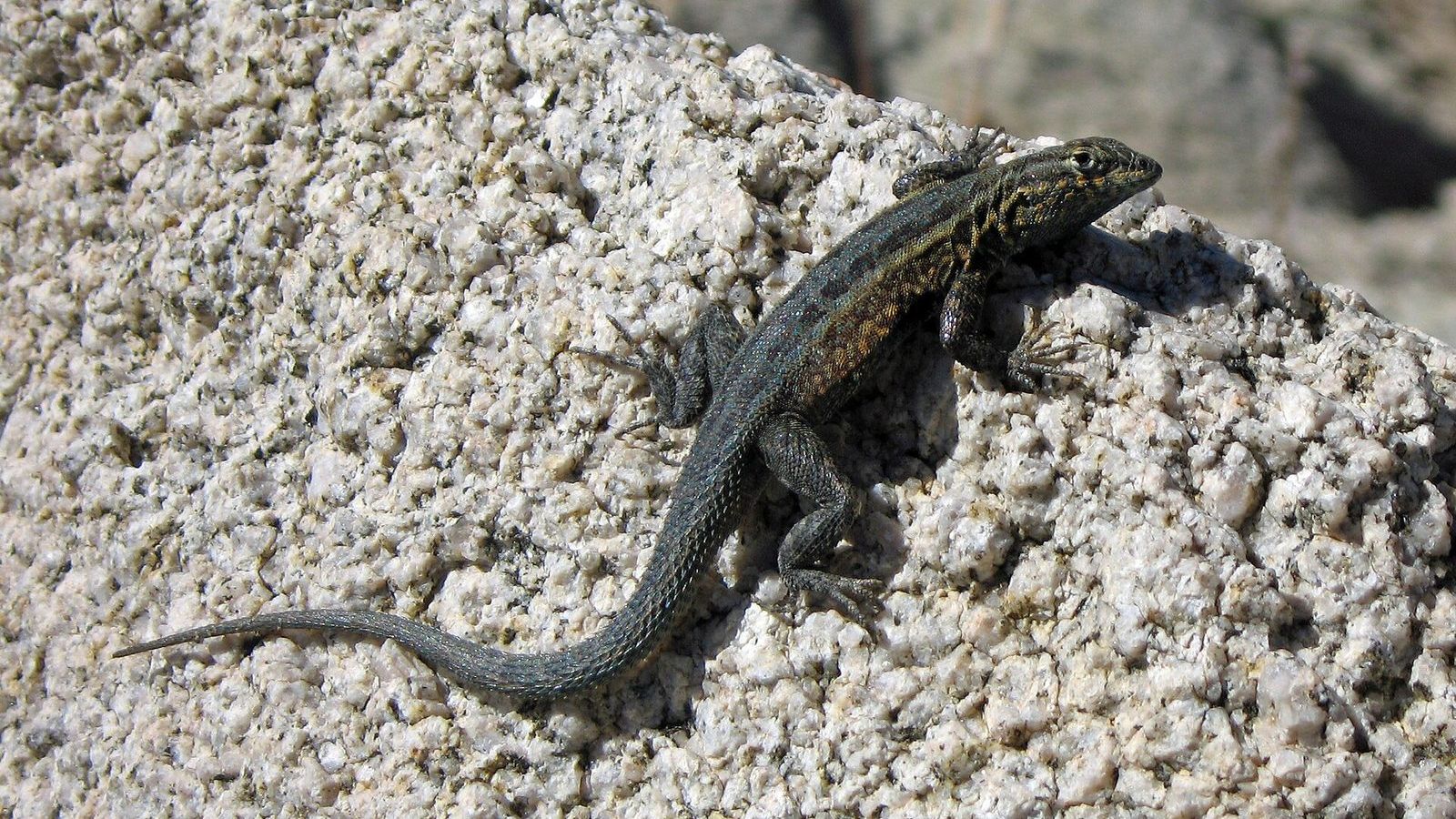
Hawks, doves, and the lizards that play rock, paper, scissors
Why do animals of one species rarely fight to the death? John Maynard Smith answered with a game whose players do not think, and a lizard on a Californian hillside turned out to be playing another.
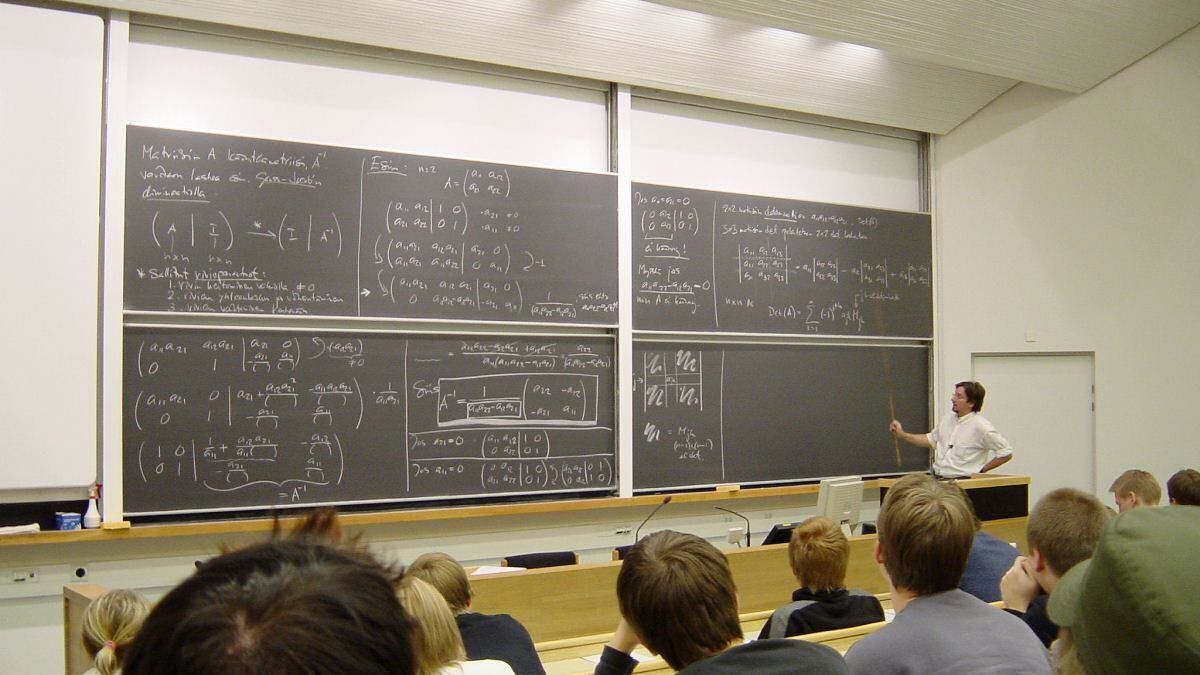
The two-thirds guessing game
Pick a number from 0 to 100; the guess closest to two thirds of the average wins. The theory says 0. Real players say about 37, and the gap between the two is one of the most studied facts in game theory.
Why tit for tat won Axelrod's tournaments
In 1980 Robert Axelrod invited game theorists to submit programs for the repeated prisoner's dilemma. The shortest entry won twice. Here is what it did, why it worked, and where it fails.

Why both prisoners confess
The prisoner's dilemma written out with its payoffs, why confessing is a dominant strategy, what the experiment of January 1950 really showed, and what has to change before two players can cooperate.
In the masterclass
Dominant Strategies and the Prisoner's Dilemma
Why two rational players can both end up worse off
Nash Equilibrium
A profile of strategies in which nobody wants to change their mind
Mixed Strategies and the Minimax Theorem
Why randomizing can be the best choice, and how to compute the probabilities
Repeated Games and Cooperation
How the prospect of meeting again sustains cooperation
Evolution and Stable Strategies
Game theory without rational players, from hawks and doves to lizards that cycle