
Game Theory Masterclass Blog
Explanations, background, and advice for curious students.
Latest articles
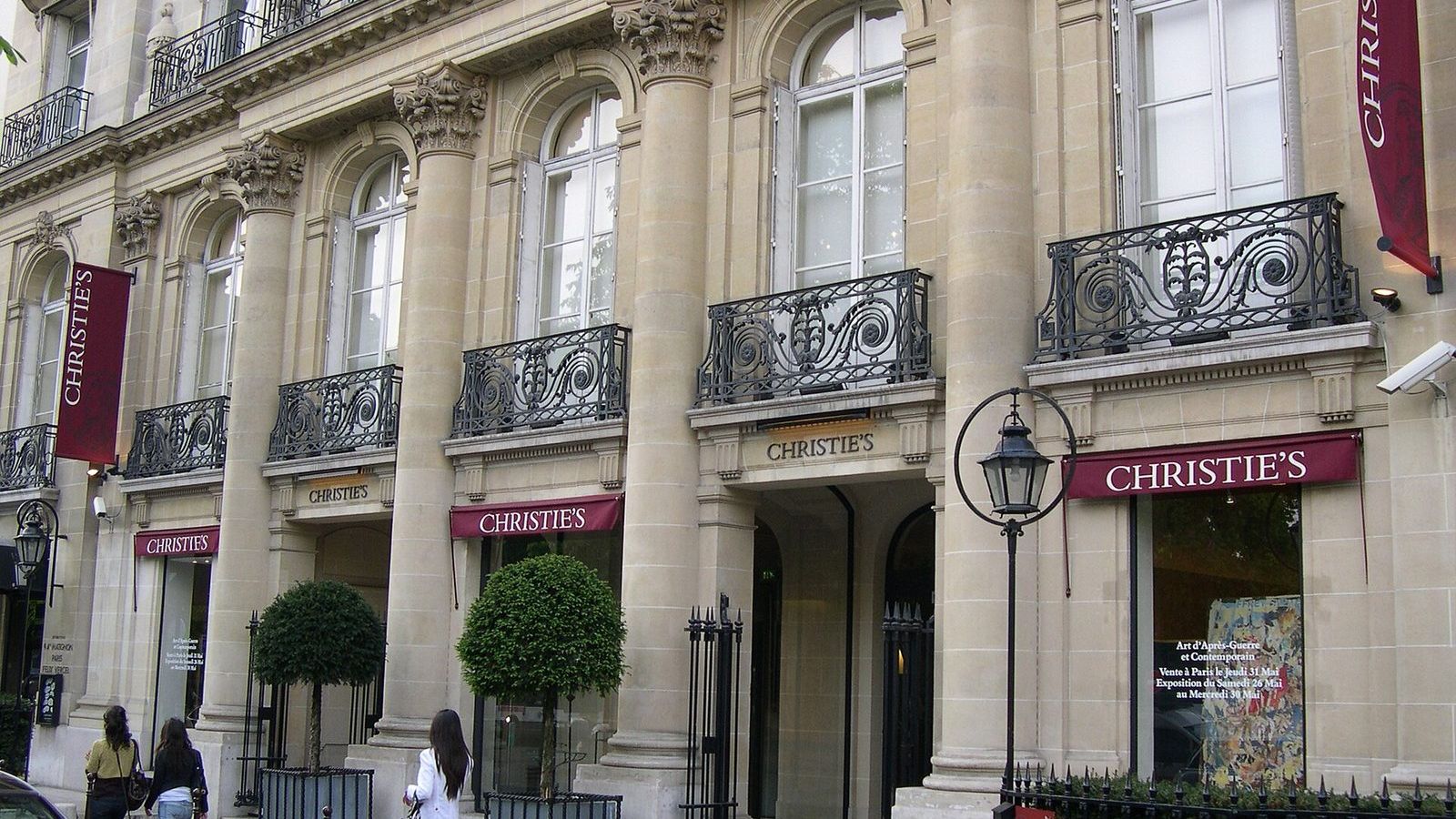
Bidding in a second-price auction
In a sealed-bid auction where the winner pays the second-highest bid, the best thing you can do is write down exactly what the object is worth to you. William Vickrey proved it in 1961; stamp dealers had known it since the 1890s.
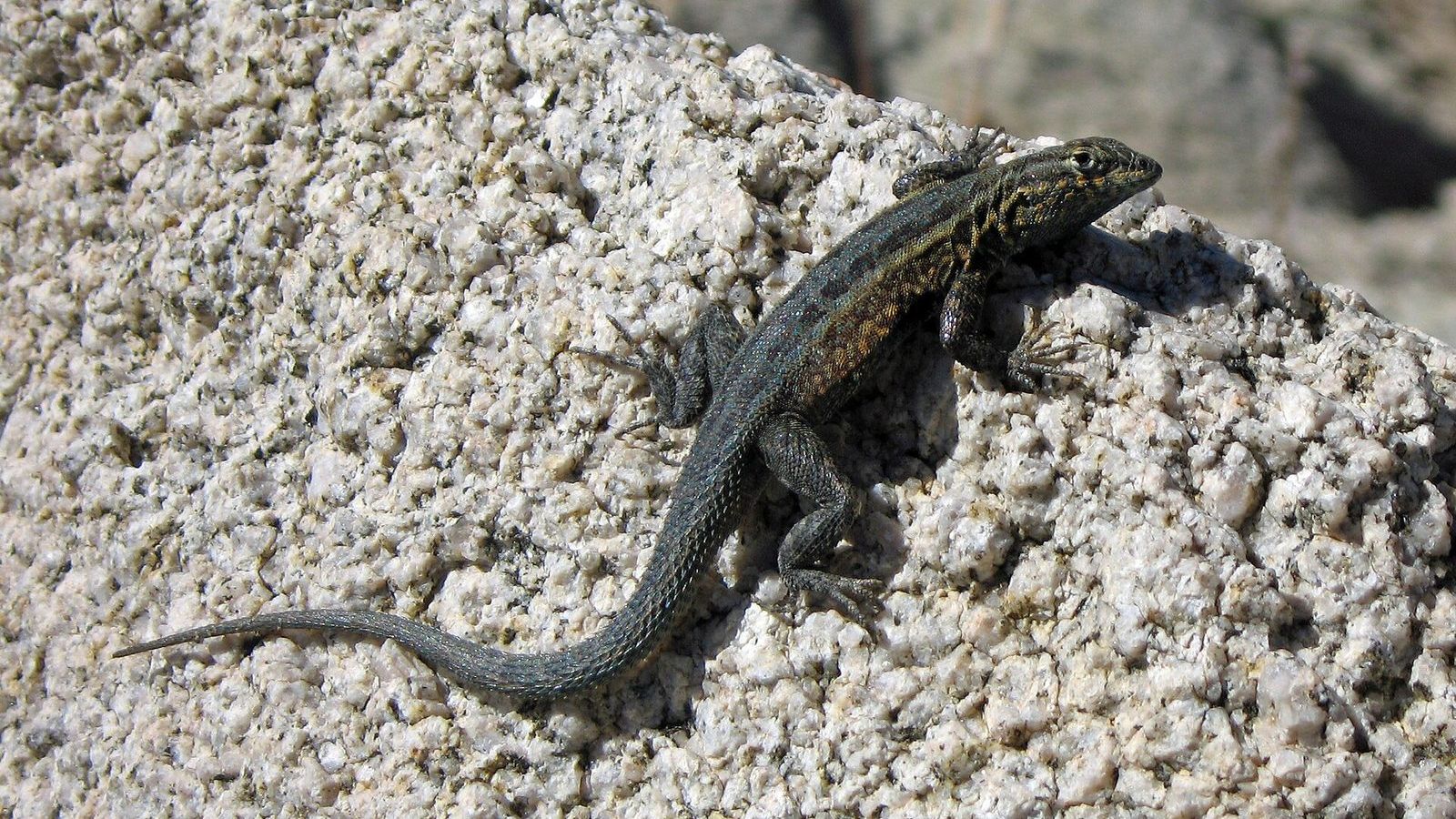
Hawks, doves, and the lizards that play rock, paper, scissors
Why do animals of one species rarely fight to the death? John Maynard Smith answered with a game whose players do not think, and a lizard on a Californian hillside turned out to be playing another.

Why adding a road can slow everyone down
Dietrich Braess showed in 1968 that a new road can make every driver's trip longer. The numbers are small enough to check by hand, and the idea behind them has a name: the price of anarchy.

How a kidney exchange works
A patient has a willing donor whose kidney does not fit. Another patient is in the same position. A kidney exchange swaps the donors, and the mathematics of matching decides who swaps with whom.

Nash's 27 pages
John Nash's Princeton thesis of 1950 defined the equilibrium that every game theorist now uses and proved that every finite game has one. What the definition says, in plain words, and why it took decades to matter.
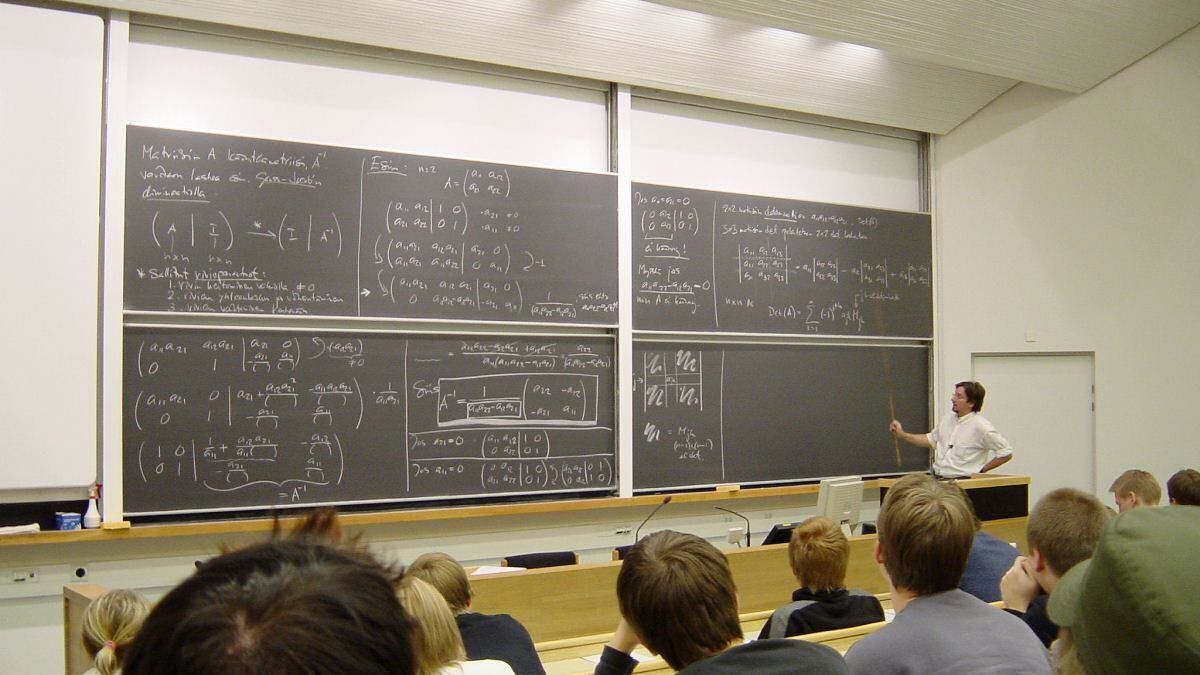
The two-thirds guessing game
Pick a number from 0 to 100; the guess closest to two thirds of the average wins. The theory says 0. Real players say about 37, and the gap between the two is one of the most studied facts in game theory.
The 1962 algorithm that assigns doctors and school places
David Gale and Lloyd Shapley needed seven pages to show that a stable assignment always exists and to give a procedure that finds it. That procedure now places tens of thousands of doctors a year.
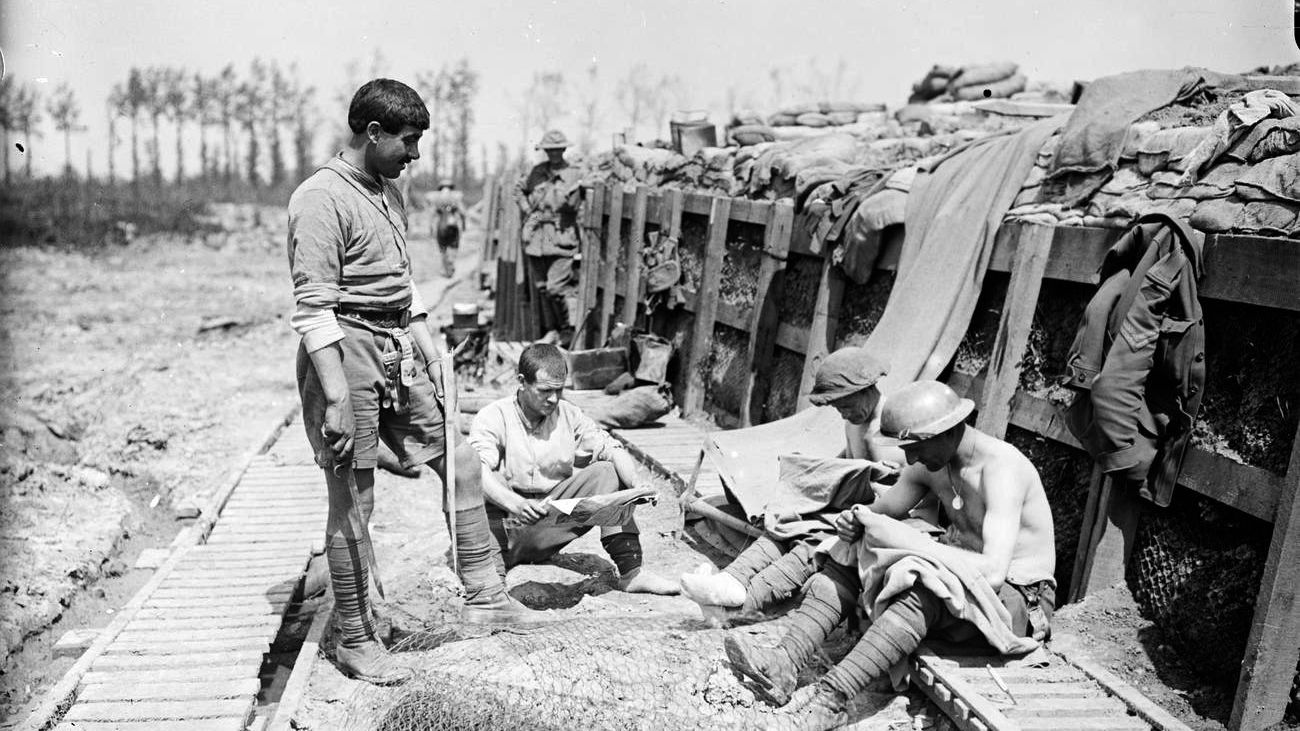
Why tit for tat won Axelrod's tournaments
In 1980 Robert Axelrod invited game theorists to submit programs for the repeated prisoner's dilemma. The shortest entry won twice. Here is what it did, why it worked, and where it fails.
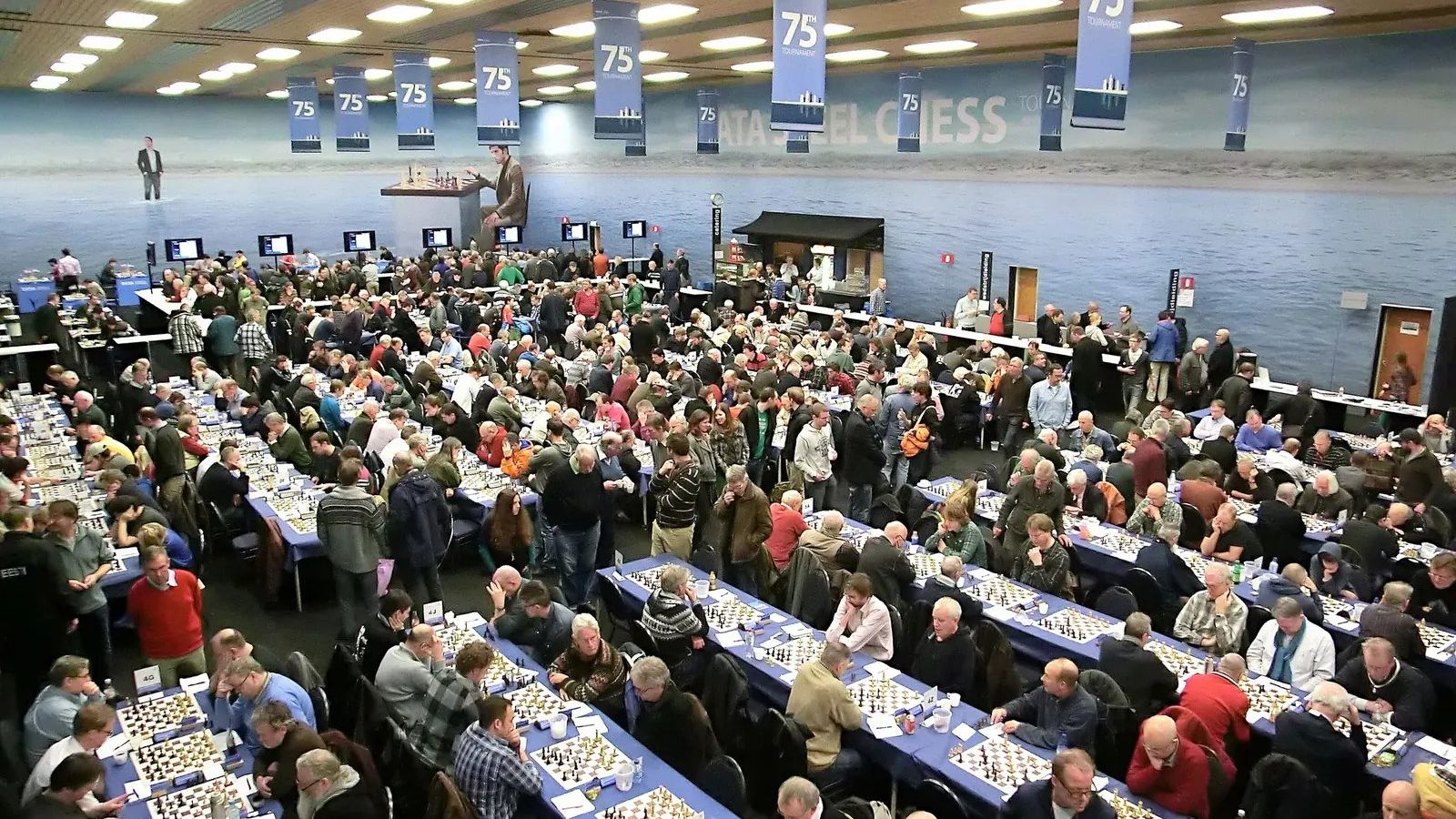
Chess has a value, and nobody knows it
In 1913 Ernst Zermelo proved that chess is either a forced win for White, a forced win for Black, or a forced draw. More than a century later the answer is known only for positions with seven pieces or fewer.